

Harvesting science. Delivering answers.
Advancing scientific understanding of agri-food science and systems to strengthen America and the world
The Evidence Center was founded in 2022 with a mandate to advance scientific understanding of society’s most challenging and vital questions related to the agri-food system and its effects on human, environmental, and economic health. Federal agencies and other public health entities commission the Evidence Center to evaluate the state of the science to inform their policies, programs, and regulations.
Culture of Engagement
Connect
Whether you’re seeking a rigorous evidence review, exploring research collaboration, or looking to engage with our team through training or outreach, we invite you to reach out to us.
Meet the Evidence Center
Hear from our innovative leaders who share how we partner with agencies and organizations to deliver rigorous, transparent, and reproducible systematic reviews to drive real impact in agriculture, food, and nutrition policy and practice.
PROJECT SPOTLIGHT
Forging paths within the agri-food system for multi-disciplinary evidence synthesis

The Role of Seafood Consumption in Child Growth and Development
Systematic reviews, overview of reviews, and a scoping review analyzing the state of scientific evidence from nutrition and toxicology on associations between seafood intake and child growth and development.

Potential Contaminants in Human Milk and Infant Formula
Systematic reviews evaluating the peer-reviewed literature on infant exposure to arsenic, cadmium, lead, and mercury and per- and polyfluoroalkyl substances (PFAS) from human milk and infant formula.
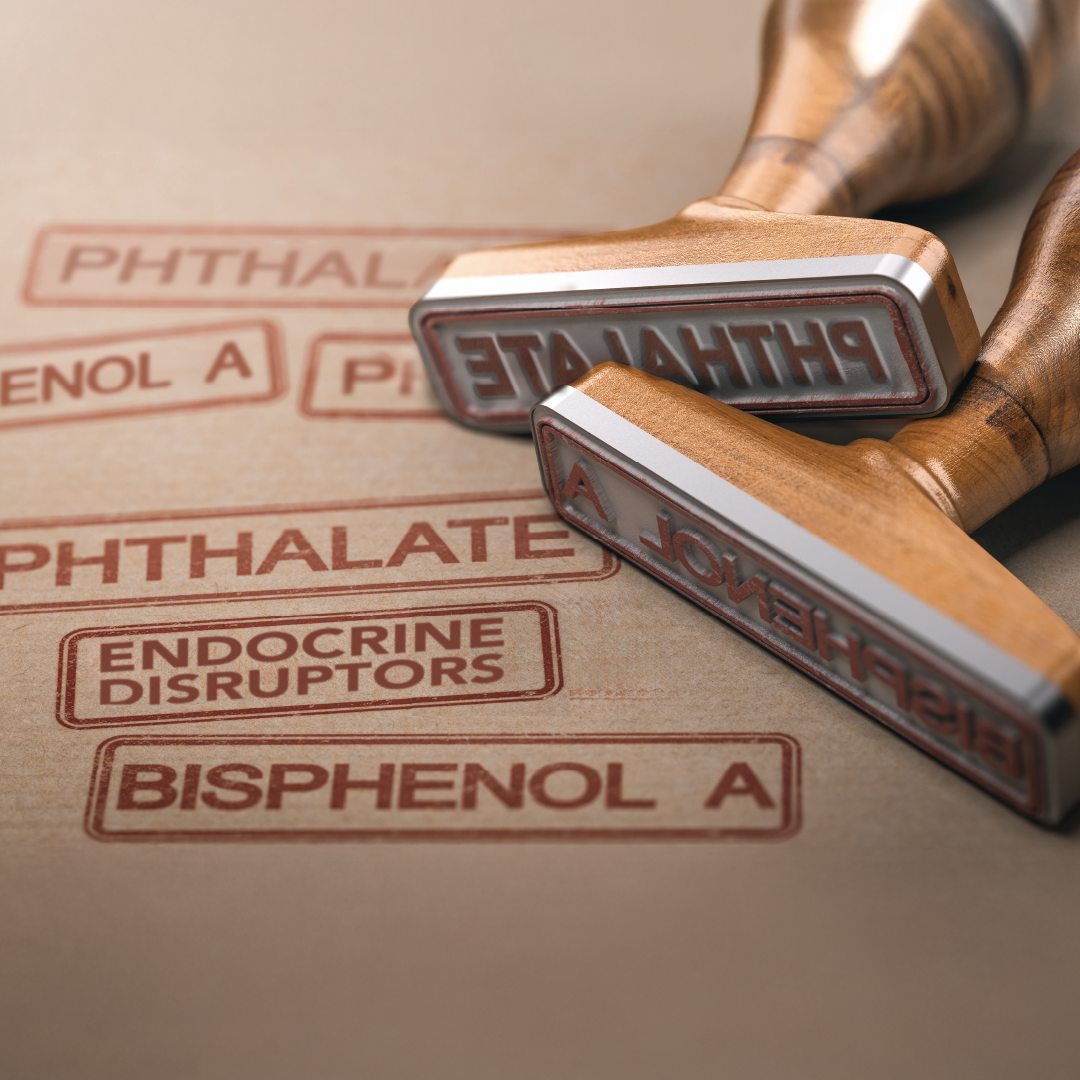
Exposure to Endocrine-Disrupting Chemicals and Obesity Among Children and Adolescents
A systematic review examining the relationship between endocrine-disrupting chemicals and obesity in children and adolescents.
the Team

Our Director
Kellie Casavale, PhD, RDN
Visionary leadership to advance our mission
The Agriculture, Food, and Nutrition Evidence Center is a scientific institute within the Texas state agricultural experiment station, AgriLife Research. The Evidence Center receives base funding from the state of Texas and accepts funding for commissioned studies from local, state, federal, and international government bodies and other public health institutions. It does not accept research funding from industry or related entities, but is able to collaborate across sectors on public events that support engagement, education, and/or advancement of transparent, rigorous, and reproducible evidence synthesis research.
